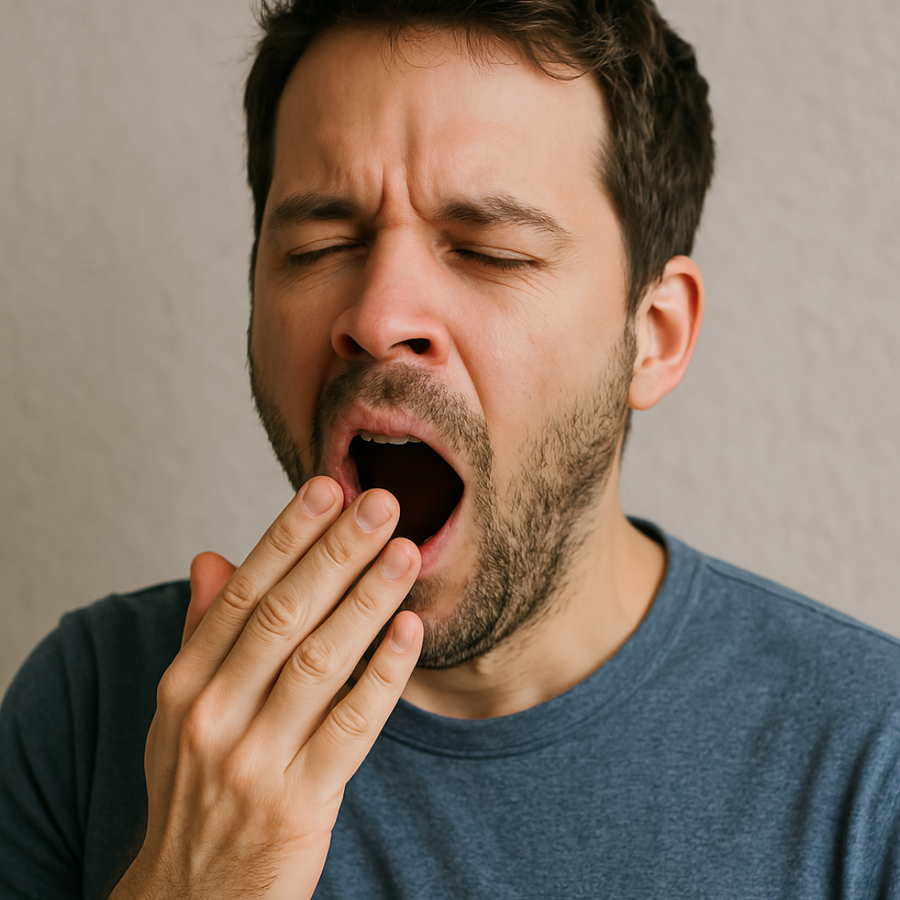
We’ve all endured jet lag. Wired and tired at 2 am. Then dragging yourself through the day, focus nowhere to be found.
It's the gift that keeps on taking.
But with the right strategy, you can reset faster, and get back to your normal self.
FIRST, UNDERSTAND THE ENEMY
Jet lag happens when your body’s internal clock, your circadian rhythm, doesn’t sync up with the local time at your destination.
The bigger the leap in time zones, the harder it hits. Eastbound travel is usually worse (bedtime comes “too soon”), while westbound travel is easier (you just stay up later).
Left alone, your body clock will naturally change by about one hour each day. But with the right tools, you can shift it two hours or more each day and cut jet lag recovery in half.
THE SIX SCIENCE-BACKED RESET TOOLS.
1. LIGHT
Light is your strongest weapon. The key is knowing when to get it and when to block it.
- Travelling east (harder): Get morning light as soon after sunrise as possible. Wear dark sunglasses to block bright evening light if you're outside. Use dim indoor lights as it gets late.
- Travelling west (easier): Get afternoon and evening light from around 2 pm onwards. Avoid early morning light before about 10 am, wear sunglasses if you’re outside too soon.
If the sun isn’t out, a 10,000-lux SAD light used at the right time works too. When executed correctly, light can shift your clock by more than two hours per day instead of one.
2. TIMED MELATONIN
Melatonin tells your brain, “it’s dark, time to sleep.” With Melatonin the timing matters more than dosage.
- Eastbound: take 0.5–5 mg in the early evening.
- Westbound: take it at local bedtime.
- Use fast-release not slow-release.
Combine with the right light exposure for the most effect.
3. EXERCISE
Movement is another time cue for your body.
- Eastbound: morning or afternoon workouts help you adjust earlier.
- Westbound: evening workouts push your internal clock later.
The best combo would be exercising outside in natural light.
4. STRATEGIC CAFFEINE
Avoid using caffeine as a crutch for jet lag.
- During the flight, only drink it during daytime hours at your destination.
- Once landed, cut it off after 2 pm local time and each day thereafter.
5. DARKNESS
Don’t underestimate darkness. Use blackout blinds if you can. If not, a good eye mask works too. Also, turn off screens before bed to help melatonin do its job. Embrace darkness at the right times for better sleep.
6. FOOD
Your gut has a clock too. Eat at local meal times straight away. For short trips (under 3 days), stick to your usual home times. It’s not worth changing your circadian rhythm for such a brief stay.
What you eat can also help: protein for breakfast/lunch and carbs for dinner.
High protein meals stimulate dopamine and help you stay alert. On the other hand high-carb meals encourage serotonin and melatonin production. A pro tip for your first new time zone dinner to help you sleep.
FLIGHT STRATEGY
- Switch your watch or phone to destination time as soon as you board.
- Eat, nap, or stay awake based on your new schedule, not the old one.
- Hydrate, skip alcohol, and move often.
- Don’t trust cabin lighting; airlines dim and brighten on their own timetable, not yours. Bring an eye mask.
TRIP LENGTH
- Short trips (under 3 days): stay on home time.
- Medium trips (4–6 days): partial change with food, caffeine, and exercise.
- Long trips (7+ days): the full toolkit, with light and melatonin.
FINAL THOUGHTS
With a little planning and patience, you can adjust faster and make the most of your trip. So be intentional with your planning, pack smart, and stay hydrated. You’ll be back to yourself in no time.
As always, peak sleep means peak you. Even more so when you’re 5,000 miles from home.